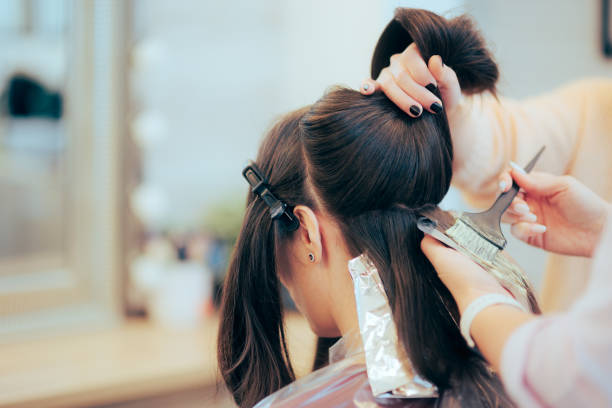
Hair coloring has evolved significantly over the years. What was once a purely cosmetic choice is now closely tied to conversations around health, safety, and long-term hair care. One term that has gained massive popularity in recent years is “ammonia-free hair color.”
It sounds reassuring, but many people wonder whether it is genuinely safer or simply a clever marketing phrase. To answer that, it is important to understand what ammonia does in hair color, why brands are moving away from it, and what truly defines a healthier coloring experience.
What Is Ammonia and Why Was It Used in Hair Color?
Ammonia has traditionally been used in permanent hair dyes because of its ability to open the hair cuticle. When the cuticle is lifted, color pigments can penetrate deep into the hair shaft, resulting in long-lasting and vibrant color. While effective, ammonia is also highly alkaline and aggressive in nature.
This harshness often leads to side effects such as dryness, scalp irritation, strong odor, and long-term hair damage. Repeated use can weaken hair structure, making strands brittle, frizzy, and prone to breakage. For many people, especially those with sensitive scalps or chemically treated hair, ammonia-based dyes can feel uncomfortable or even painful during application.
Why Ammonia-Free Hair Colors Gained Popularity
As consumers became more ingredient-aware, demand for gentler alternatives increased. Ammonia-free hair colors emerged as a response to concerns about scalp health, hair damage, and overall well-being. These formulations replace ammonia with milder alkaline agents that still allow color to penetrate the hair but with significantly less disruption to the hair cuticle.
The shift is also influenced by a broader clean beauty movement, where people seek products that balance performance with care. Hair color is no longer expected to only change appearance. It is now expected to nourish, protect, and maintain the natural integrity of hair and scalp.
Is Ammonia-Free Hair Color Actually Safer?
In most cases, yes, ammonia-free hair color is safer and gentler compared to traditional formulas. Without ammonia, the cuticle opening process is more controlled, which helps retain moisture and reduce structural damage. This means hair often feels softer and healthier after coloring rather than rough or overly dry.
Ammonia-free formulations are also associated with reduced scalp irritation and a more pleasant application experience. The absence of a strong chemical smell makes the process more comfortable, especially for home users.
However, it is important to understand that ammonia-free does not automatically mean chemical-free. Hair coloring still requires active ingredients to alter pigment. The real measure of safety lies in the overall formulation, including what replaces ammonia and what supportive ingredients are included to protect hair health.
When Ammonia-Free Becomes a Marketing Term
Not all ammonia-free hair colors are created equal. Some products remove ammonia but replace it with equally harsh substitutes or fail to include ingredients that actively care for hair. In such cases, the ammonia-free label becomes more of a marketing highlight than a true health benefit.
A genuinely safer hair color goes beyond removing ammonia. It avoids other known irritants such as PPD, resorcinol, parabens, and drying alcohols. It also focuses on maintaining scalp balance, preserving the hair’s natural pH, and strengthening the hair from within during the coloring process.
The Role of Advanced Hair Repair Science
Modern hair color technology has made it possible to combine color with care. Instead of merely depositing pigment, advanced formulations now work at a molecular level to repair and reinforce hair bonds while coloring.
Smaller bioactive molecules, such as amino peptides, can penetrate deep into the hair cortex rather than sitting on the surface. This allows hair to rebuild internal strength, improve elasticity, and retain color for longer periods. When color pigments and repair actives work together, hair looks healthier, shinier, and more resilient after coloring.
This approach challenges the long-standing belief that coloring hair must cause damage. Today, it is possible for hair to feel better after coloring than it did before, provided the formulation is thoughtfully designed.
Why pH Balance and Scalp Health Matter
One of the most overlooked aspects of hair coloring is pH balance. Healthy hair and scalp thrive in a slightly acidic environment. Traditional ammonia-based dyes disrupt this balance by making hair overly alkaline, which leads to raised cuticles and moisture loss.
Ammonia-free, pH-balanced gel or cream systems help maintain scalp comfort and hair smoothness. A microbiome-friendly approach further supports scalp health by respecting the natural ecosystem of the skin. This reduces issues like itching, redness, and post-color sensitivity.
For people who color frequently or cover greys regularly, maintaining scalp health is just as important as achieving the desired shade.
The Importance of Herbal and Nourishing Ingredients
Truly modern hair color formulations combine scientific repair with nature-inspired nourishment. Botanical extracts such as aloe vera, rosemary, coconut milk, quinoa, silk proteins, and tamarind are often included to soothe the scalp, lock in moisture, and enhance shine.
These ingredients do not replace the coloring process, but they significantly reduce its stress on hair and scalp. Over time, consistent use of such formulations can improve hair texture and manageability, making coloring feel like a ritual of care rather than a damaging routine.
Performance Without Compromise
One common myth is that ammonia-free hair color does not provide the same performance as traditional dyes. With today’s technology, this is no longer true. High-quality ammonia-free formulations can deliver 100 percent grey coverage, rich color payoff, and fade-resistant results.
Gel-based color systems, in particular, offer even distribution, drip-free application, and quick processing times. They are designed for ease, comfort, and consistent results, whether used at home or in professional settings.
When supported by bond-repairing actives and protective botanicals, color longevity and vibrancy are enhanced without sacrificing hair health.
How to Choose the Right Ammonia-Free Hair Color
If you are considering switching to an ammonia-free option, look beyond the front-label claim. Check whether the product is also free from PPD, parabens, resorcinol, and alcohol. Look for dermatologist testing, vegan and cruelty-free certifications, and pH-balanced formulations.
Pay attention to whether the brand emphasizes repair, scalp comfort, and long-term hair wellness alongside color performance. A thoughtfully crafted product will treat hair coloring as a holistic experience, not just a cosmetic change.
Final Verdict: Safer Choice or Marketing Buzz?
Ammonia-free hair color is not just a trend, but it can be misleading if taken at face value. When backed by clean formulation principles, advanced repair science, and nourishing ingredients, it is genuinely a safer and smarter choice for modern hair care.
The real evolution lies in hair color that respects your hair, supports your scalp, and aligns with a lifestyle that values well-being as much as beauty. When color heals, strengthens, and enhances hair rather than compromising it, ammonia-free becomes more than a claim. It becomes a promise of care.
Information provided by
Natrique Naturals, a clean beauty hair color brand focused on combining advanced molecular repair science with gentle, wellness-driven formulations. Designed with European clean beauty standards, the brand emphasizes ammonia-free, PPD-free, and dermatologist-tested solutions that color while caring, transforming hair coloring into a nourishing self-care ritual.