Key Takeaways
- Daily routines help children understand what comes next and feel secure in new settings.
- Manageable responsibilities build independence through real practice.
- Self-regulation helps children focus, cope with frustration, and participate with others.
- Play, movement, conversation, and hands-on work all contribute to school readiness.
- Short, steady routines at home can reinforce the skills children practice at preschool.
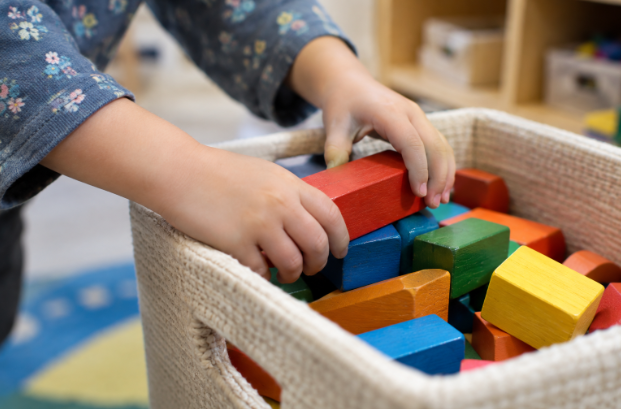
For families in Mansfield, Massachusetts, preschool readiness is often most visible in the small moments of an ordinary day. A child hangs up a coat after a chilly morning, washes hands before snack, joins a circle activity, or puts blocks back in the bin. Families exploring a preschool Mansfield, MA option can look beyond early academics and consider how the daily rhythm of a classroom helps children become capable, confident learners.
Routines are not meant to make childhood rigid. When they are warm, predictable, and flexible, they give young children repeated opportunities to practice attention, communication, patience, and problem-solving. These skills support a smoother transition to kindergarten while also helping children take part in family life and their local community.
Why School Readiness Means More Than Academic Skills
Knowing some letters, numbers, colors, or shapes can help, but those skills are just one part of kindergarten readiness. Children also benefit from listening to short directions, expressing needs, trying new things, joining groups, and recovering from disappointment. They learn to manage personal items, use the bathroom more independently, take turns, and ask for help. Readiness isn’t a pass-fail checklist, as children develop at different rates and bring diverse experiences, languages, strengths, and needs. A broader view of school readiness recognizes that confidence, relationships, language, physical development, emotional growth, and thinking skills all matter. For a young child, feeling safe and willing to participate can be just as important as knowing an answer.
How Predictable Routines Support Young Children
Repeating routines lessen guesswork in busy days. When children know that arrival is followed by putting belongings away, greeting classmates, and choosing an activity, they start the day with less adult prompting. This is especially helpful during a New England school year, when children may need to manage boots, coats, hats, and weather changes before settling. Useful routines include washing hands before meals, gathering materials for art, cleaning up after play, transitioning from outdoor to group time, and preparing for dismissal. The aim isn’t perfect compliance but maintaining consistent, recognizable routines that are flexible when children are tired, hungry, upset, or adjusting.
Small Responsibilities Build Real Independence
Children build confidence when adults give them time to do tasks within their reach, like carrying a lunchbox, choosing activities, or pouring water with support. Each task shows ‘You are learning to do this.’ For example, when a child leaves shoes by the door, an adult can initially point out the spot or help, but with repetition, the child remembers and does it independently, practicing memory and responsibility. Adults can support independence by guiding without taking over, like starting a coat button and letting the child try the next, even if it takes more time during busy mornings. This encourages effort, mistakes, and improvement.
The Link Between Routines and Self-Regulation
Self-regulation is the growing ability to manage attention, emotions, actions, and impulses. Young children are still developing these skills and need calm guidance and practice. Waiting for a turn, stopping one activity to start another, and completing steps in order are daily practice forms. These skills help children listen, cooperate, handle frustration, and stick with challenging tasks. They develop over time through supportive experiences. Routine provides familiar opportunities to build these skills without making the day feel like tests.
Why Play Still Matters in a Structured Day
Structure and play complement each other. A predictable schedule offers a reliable frame, while play allows children to explore ideas within it. During pretend play, children negotiate roles, use new language, resolve disagreements, and adapt when classmates change plans. Activities like building, sorting, drawing, sensory play, music, and movement engage children’s hands, bodies, attention, and imagination. A balanced preschool day includes guided experiences, independent choices, outdoor movement, social play, and quiet moments. Children practice classroom skills during play, waiting for turns, planning, explaining, or persisting when a design falls.
Simple Ways to Support Readiness at Home
- Create a simple morning pattern. Keep the general order of dressing, breakfast, brushing teeth, and leaving consistently.
- Offer limited choices. Let children choose between two shirts, books, or snacks.
- Use short directions. Give one or two steps at a time, then allow time to respond.
- Practice waiting. Encourage brief waits for a turn, a snack, or help with a task.
- Make cleanup part of play. Use a song, a timer, or a picture cue to make the next step clear.
- Read and talk every day. Ask about characters, feelings, and what might happen next.
- Let children try first. Offer a hint or support when needed, rather than doing every step for them.
How Adults Can Make Routines Feel Positive
Children respond best when routines are paired with calm, respectful guidance. Adults can explain what is happening next, use pictures or gestures when appropriate, and notice effort rather than praising speed alone. Comments such as “You kept trying until the zipper moved” recognize persistence and help children see themselves as learners.
It also helps to adjust expectations. A child who is exhausted after a long day, overwhelmed by a new setting, or frustrated by a difficult task may need more support than usual. Comparing children to one another rarely helps. Steady encouragement and realistic expectations do.
Common Questions About Preschool Routines
Do children need a perfect schedule?
No. Children benefit from a familiar rhythm, not a rigid timetable. Adults should remain responsive to changes in health, mood, energy, and interest.
When should adults step in?
Step in when a task is unsafe, far beyond the child’s current ability, or is becoming too frustrating. Before taking over, try offering a hint, demonstrating one step, or asking what the child wants to try next.
Should readiness focus on worksheets?
Not usually. Stories, games, conversations, art, movement, building, and everyday responsibilities can all support early literacy, math, motor, language, and thinking skills.
What Families Should Look for in a Preschool Setting
- Warm, respectful relationships between educators and children
- Clear routines with flexibility for individual needs
- Simple choices and age-appropriate responsibilities
- Outdoor time, movement, and hands-on learning materials
- Supportive guidance during conflict and frustration
- Regular communication between educators and families
- Respect for different developmental, cultural, language, and learning needs
Conclusion
Preschool routines do more than organize the day. They give Mansfield children repeated, meaningful chances to practice independence, focus, communication, patience, and resilience. When adults combine predictable expectations with play, movement, and encouragement, children can build the confidence to approach kindergarten with curiosity and a growing belief in their own abilities.